
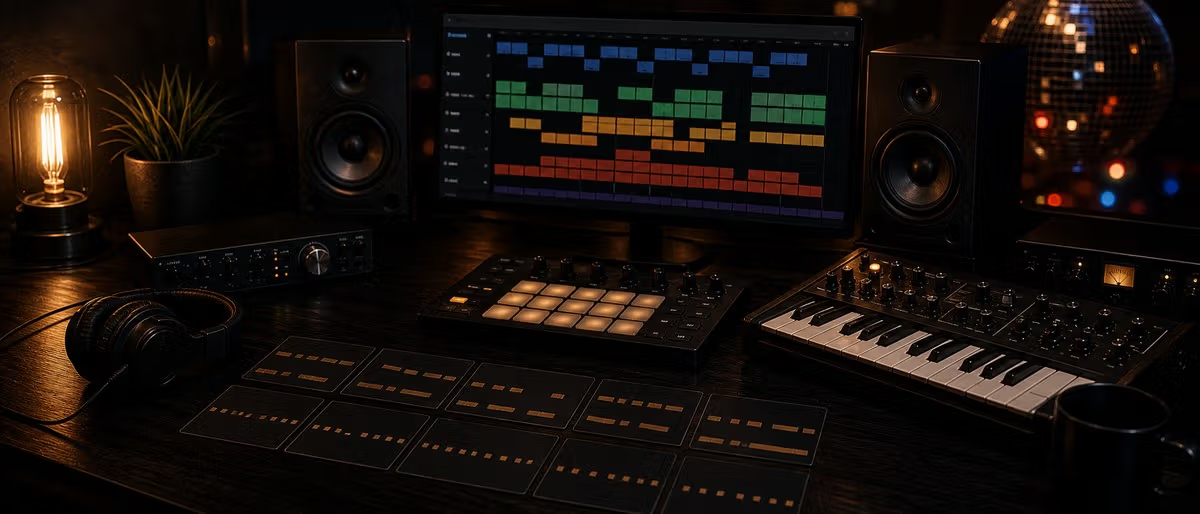
Rychlá odpověď: How to Make House Music
Whet
Rychlá odpověď
House music je srdcem tanečních parketů od jejich zrodu v Chicagu v polovině 80. let. Zrodil se ze směsi disca, soulu a postindustriálního experimentování a vytvořil nový jazyk pro DJe i tanečníky – 4/4 kopák, duší prosycené akordy a étos, že každý, kdo má bicí automat a sen, dokáže vytvořit něco, co pohne davem. Tento duch inkluzivity je dnes stále živý.
Ať už pracujete z ložnice v Berlíně nebo z výškové budovy v Tokiu, house music zůstává jedním z nejpřístupnějších žánrů, které lze začít produkovat. Základní prvky – kopák, hi-haty, basa, akordy a zpěv – sledují předvídatelné vzorce, které se můžete naučit, replikovat a případně je inovovat. V tomto průvodci projdete každou fází tvorby house tracku od prázdného projektu až po vyleštěný mix připravený k vydání. Zabýváme se vybavením, výběrem BPM, programováním bicích, designem basových linek, voicingem akordů, strategií aranžmá, mícháním a masteringem. Na konci budete mít jasný plán výroby a konkrétní techniky k jeho provedení.
Tento návod je určen pro výrobce na jakékoli úrovni. Pokud jste úplně nový, postupujte podle kroků v uvedeném pořadí. Pokud jste středně pokročilí a chcete zostřit konkrétní oblasti, přejděte přímo na části, které se zabývají vašimi slabými místy.
Co je House Music?
House music je žánr vybudovaný na bubnovém vzoru čtyři na patře – což znamená, že kopák zasáhne při každém úderu: jeden, dva, tři, čtyři. Tento stálý pulz vytváří základ, na kterém se vrství hi-haty, perkuse, basy a melodie, aby vytvořily groove určený pro tanec. Tempo se obvykle pohybuje mezi 120 a 126 BPM, ačkoli podžánry se rozšiřují pomaleji i rychleji.
Co odlišuje house od ostatních EDM žánrů, je jeho spojení se soulem, funkem a gospelovou hudbou. První chicagští housoví producenti jako Frankie Knuckles, Ron Hardy a Larry Heard čerpali z diskotékových nahrávek a živé instrumentace, prolínali bujné progrese akordů, vokální háčky ve stylu gospelu a důraz na groove před podívanou. Výsledkem byla hudba, která byla současně mechanická a hluboce lidská – strojově vytvořený tlukot srdce poháněný duší.
Harmonický jazyk klasického house inklinuje k rozšířeným mollovým a durovým akordům – představte si i-VI-III-VII v mollové tónině nebo I-IV-V-II v durové tónině – často využívající sedmé akordy, pozastavené akordy a soulové voicingy s přidanými devítkami a třináctinami. Moderní house tuto paletu výrazně rozšířil, ale emocionální jádro zůstává stejné: akordy a melodie, které působí hřejivě, expresivně a lehce melancholicky.
House také žije a umírá podle své basové linky. Na rozdíl od žánrů, které berou basy jako texturu, house basové linky nesou rytmickou zodpovědnost. Zamykají kopákem, pohybují se variacemi výšky tónu a filtrováním a pohánějí groove vpřed v rozhovoru s bicími.
Základní vybavení pro stavbu domu
K výrobě house music nepotřebujete drahé vybavení. Bariéra vstupu je pozoruhodně nízká. Zde je to, co skutečně potřebujete a co můžete jako začátečník bezpečně přeskočit.
| Položka | Požadovaný? | Možnost rozpočtu | Doporučeno |
|---|---|---|---|
| DAW | Základní | Reaper (60 USD) | Ableton Live Suite, FL Studio (doporučené DAW) |
| Audio rozhraní | Pro nahrávání | Behringer UMC22 | Scarlett 2i2, Focusrite Clarett (rozhraní) |
| Studiové monitory | Důrazně doporučujeme | JBL 305P MkII | Yamaha HS8, Neumann KH 80 (monitory) |
| Sluchátka | Nezbytné pro míchání | Sony MDR-7506 | Beyerdynamic DT 770 Pro (sluchátka) |
| MIDI Klávesnice | Nepovinné, ale užitečné | Alesis V49 | Arturia KeyLab 61, Novation 61SL (MIDI klávesy) |
| Vzorové balíčky | Nezbytné pro bicí/smyčky | Plugg Supply bezplatných balíčků | Looperman, Splice, ADPG (zdroje sample) |
| Virtuální syntezátory | Nezbytné pro vedení/basy | Surge XT, Vital (obojí zdarma) | Serum, Sylenth1, Diva (synth pluginy) |
Nejdůležitější částí vybavení je vaše DAW. Vše ostatní lze postupně přidávat. Začněte s jakýmkoli DAW, který si můžete dovolit nebo již vlastníte – Ableton Live, FL Studio, Logic Pro, Bitwig nebo dokonce bezplatný Reaper. Výrobní techniky v této příručce platí pro všechny z nich. Jakmile budete mít svůj DAW, zaměřte se na vybudování malé knihovny kvalitních samplů (bubnové hity, basové jednorázovky, melodické smyčky) a solidní bezplatný syntezátor jako Vital nebo Surge XT.
Sluchátka jsou nesmlouvavá na mixáž, pokud nemáte ošetřené reproduktory monitoru. Přeskočte herní sluchátka se zesílenými basy – studiová sluchátka s plochou odezvou, jako jsou Sony MDR-7506 nebo Beyerdynamic DT 770 Pro, vám poskytnou poctivější obraz vašeho mixu.
Postavte si svou první kolejiště — krok za krokem
- Vyhledání referenční stopy a nastavení BPM (120–126)
Než napíšete jedinou poznámku, najděte dvě nebo tři referenční skladby – profesionálně vydané skladby v podžánru house, na který se zaměřujete. Nahrajte je do svého DAW jako referenční referenci nebo je jednoduše mějte na paměti. Referenční stopy dělají tři věci: nastavují váš měřítko tempa, ukazují vám přibližnou hustotu nástroje v každé fázi uspořádání a dávají vám cílový zvukový profil pro mixování. Pro... - Programování kopacího bubnu — páteř domu
Kopák je nesmlouvavou kotvou každého house tracku. Ve 4/4 house patternu zasáhne kop při každém úderu – úder jeden, úder dva, úder tři, úder čtyři. Díky této konzistenci je to čtyři na patře. Při programování kopu zvažte, zda se jedná o úderný kop ve stylu sidechain (krátký útok, rychlé uvolnění, stlačený pocit) nebo hlubší kop s delším dozníváním, který vyplní více nízkofrekvenčního spektra... - Přidání hi-hatů a perkusí — groove a swing
Hi-klobouky jsou tím, co přeměňuje robotický vzor ve čtyřech na podlaze na něco s drážkou a citem. V domácí hudbě standardní vzor používá uzavřené klobouky na osminové noty (jedna-a-dva-a-tři-a-čtyři-a) s otevřenými klobouky na „a“ dob dva a čtyři. Toto je klasický vzor chicagského domu. Chcete-li si jej přizpůsobit, zkuste přemístit uzavřený klobouk o 32. nebo 64. notu a přidejte promíchání kompenzací všech… - Vytvoření basové linky — subs, pohyb, filtrování
Domácí basové linky obvykle zabírají nízko-střední frekvenční rozsah (60–250 Hz) se subbasy pod 60 Hz. Váš kopák se stará o subbasy. Vaše basy vyplní nízké středy. Toto oddělení je kritické: pokud vaše basová linka dělá příliš mnoho vedlejších prací, bude to kolidovat s vaším kopákem a vytvoří zablácený, nedefinovaný nízký konec. Navrhujte basovou linku s ohledem na pohyb. Statický basový tón držený na plný takt… - Synth stabs a akordy — budování harmonického rámce
Syntezátorové staby jsou krátké, harmonizované akordy udeřené současně – představte si klasický house stab: mollový sedmý akord nebo pozastavenou sekundu, hrané staccato s jasným zvukem syntezátoru. Bodnutí obvykle vstupuje během výstavby a je jedním z nejznámějších podpisů domácí produkce. Obvykle jsou dlouhé dva až čtyři takty a hrají s pilovým nebo čtvercovým zvukem wave, silně zpracovaným s reverbem a krátkým... - Přidání vokálních střihů a samplů
Vokální samply jsou součástí house music od doby, kdy Frankie Knuckles opakoval disco acapellas. Moderní house využívá jak originální nahrané vokály (zpracované pomocí korekce výšky, reverbu a sekání), tak bezlicenční vokální smyčky. Sekaná vokální fráze opakující se na off-beatech, gospelová smyčka „oh pane“ vrstvená pod progresí akordů nebo filtrovaná vokální stoupačka před poklesem – tyto prvky dodávají… - Uspořádání — intro, build-up, drop, breakdown, outro
House uspořádání sleduje předvídatelnou, ale efektivní strukturu zděděnou z DJské kultury. Účelem aranžmá je vytvořit cestu pro publikum na tanečním parketu: energie roste směrem k poklesu, uvolňuje se a znovu se obnovuje. Zde je typická časová osa housového uspořádání pro 6minutovou skladbu: Úvod (0:00–1:00): Začněte řídce – jen kopák, hi-haty a možná filtrovaná smyčka. DJ potřebuje 30–60 sekund na to, aby... - Míchání vaší domácí skladby
Míchání house music je o prostoru, vyvážení frekvencí a dynamickém ovládání. Cílem není, aby bylo vše nahlas, ale aby bylo vše slyšitelné a jasné. Začněte nastavením kopáku a basů na zdravou úroveň (pro kalibraci použijte referenční stopu). Potom vložte každý prvek a zeptejte se: zabírá tento prostor, který je již obsazený? Pokud dva prvky soutěží o stejný frekvenční rozsah, EQ jeden z nich. - Mastering pro hlasitost tanečního parketu
Mastering je poslední fází, která připravuje vaši skladbu pro vydání na streamovacích platformách a klubových zvukových systémech. Dva cíle house masteringu jsou hlasitost (konkurenční s ostatními nahrávkami v žánru) a překlad (zní dobře na klubových reproduktorech, sluchátkách a špuntech do uší). Cílová hlasitost mezi -8 LUFS a -6 LUFS pro streamování a -5 LUFS až -3 LUFS primárně pro klubové hraní. Použití...
Podžánry house music — Deep House, Tech House, Progressive House, Soulful House
House music se za poslední čtyři desetiletí roztříštila do desítek různých podžánrů. Pochopení zvukového charakteru každého vám pomůže vybrat si směr a vytvořit skladby, které přirozeně zapadají do této tradice.
| Subžánr | Rozsah BPM | Klíčové vlastnosti | Producenti ke studiu |
|---|---|---|---|
| Deep house | 110–122 | Teplé akordy, jazzem ovlivněné progrese, vinylové praskavé textury, pomalejší groove, atmosférický | Kerri Chandler, Mistři v práci, Dixon, Ame, Bradley Zero |
| Tech house | 124–130 | Minimalistické bicí, výrazné smyčky perkusí, filtrované synťáky, temné a funkční, zaměřené na groove | Carl Cox, Fisher, Chris Stussy, LOCOID, Deborah Harry (DJ reference) |
| Progressive house | 124–128 | Dlouhé filtrování, vrstvené sestavení, melodické vrcholy, filmové akordové progrese, emoční oblouky | Deadmau5, Eric Prydz, Chvrches (producent: Rich Beanland), Yotto |
| Soulful house | 118–125 | Gospelový zpěv, živá instrumentace, klasické akordové zvuky 80./90. let, organické teplo, pozitivní energie | Kenny Bobien, Arnold Jarvis, Dennis Ferrer, DJ Spen, Terry Hunter (vocal house) |
| Acid house | 120–130 | Roland TB-303 squelch patterny, opakující se hypnotický groove, minimální harmonická složitost | Phuture (DJ Pierre), Armando, G Flame (acid house) |
| Jackin house | 122–128 | Nadsazené vokální kousky, funky basové linky, odkazy na Chicago, energické a řízené smyčkou | DJ Sneak, Kerri Chandler, Frankie Knuckles, Martijn ten Veen (Chicago house) |
Vyberte si podžánr a než začnete produkovat, poslechněte si alespoň deset skladeb z posledních dvou let v tomto stylu. To vytváří vaši interní referenci o tom, jak žánr zní v moderním kontextu – zásadní krok, který mnoho producentů přeskakuje.
Základní ukázky a zdroje zvuku — Kde sehnat domácí bicí, baskytary, vinylové...
Zvuky, které používáte, jsou základním materiálem vaší skladby. Skvělá aranžmá s průměrnými samply bude vždy znít průměrně. Zde je místo, kde můžete získat ty nejlepší zvuky, aniž byste museli vydělat peníze.
- Vzorky bicích (kopy, snares, hi-hats, perkuse) — Plugg Supply nabízí vybrané bezplatné bicí sady speciálně optimalizované pro house a techno. Pro prémiové balíčky mají Looperman a Splice rozsáhlé knihovny jednorázových bicích. Při výběru kopů je před provedením vyzkoušejte v kontextu – kop, který zní izolovaně masivně, může v hustém mixu zmizet. Hledejte údery s jasným přechodným cvaknutím a rozpadem, které doplňuje váš BPM.
- Basové jednorázovky a smyčky — Mnoho producentů používá jako výchozí bod předem připravené basové smyčky nebo jednorázové záběry, které poté změní nebo zpracuje tak, aby odpovídaly jejich stopě. Pro originální basový design vám Vital (zdarma) a Serum poskytují úplnou kontrolu nad zvukem. Pokud dáváte přednost smyčkám, Splice má knihovny basových smyček označené žánrem. Vždy před umístěním basových smyček s horní propustí pod 40 Hz do projektu.
- Vinylové textury a prostředí na pozadí — Jednou z nejcharakterističtějších textur house music je zvuk praskání vinylu, syčení pásky a hluk z místnosti. Tyto prvky jsou umístěny na vysokofrekvenčním pozadí a dodávají analogové teplo, které digitálním zvukům chybí. Looperman a Splice mají balíčky vinylových textur bez licenčních poplatků. Můžete také nahrát své vlastní vzorkováním pěti minut rotující desky v tiché místnosti a následným vrstvením úryvků nízké úrovně pod vzor bubnu.
- Syntetické předvolby pro domácí produkci — Bezplatné syntezátory jako Vital a Surge XT se dodávají se stovkami předvoleb optimalizovaných pro elektronickou hudbu. Pro zvuky specifické pro dům obsahuje knihovna předvoleb Plugg Supply výchozí body pro basy, svody, pady a staby. Serum a Sylenth1 mají velké přednastavené ekosystémy třetích stran, ale jakmile porozumíte syntéze, vytvořte si vlastní zvuky – vašim skladbám to dodá charakteristický charakter, který samy předvolby nedokážou poskytnout.
- Vokální vzorky a akapely — Vokální samply jsou jedním z nejpůsobivějších přídavků k domácí skladbě. Bezlicenční vokální balíčky jsou k dispozici na Splice a prostřednictvím Plugg Supply. Hledejte vokální smyčky označené klíči, abyste je mohli přenést do tóniny své stopy bez artefaktů. Vždy zkontrolujte konkrétní licenci — některé ukázkové balíčky jsou pouze pro demo použití.
Vybudujte si návyk vyzkoušet ukázky ve vašem DAW před stažením. Mnoho výrobců stahuje stovky vzorků, které nikdy nepoužijí. Místo toho otevřete nový projekt, načtěte kopák a vyzkoušejte ukázky v kontextu. Pokud to nefunguje ve směsi, nefunguje to. Tento zvyk ušetří hodiny času na úklid během zařizování.
Běžné chyby začátečníků při domácí výrobě
To jsou pasti, které chytí většinu nových výrobců. Znáte-li je předem, můžete je zcela obejít.
- Nepřehledná spodní část – kopák a basa bojují o prostor. Toto je chyba číslo jedna při míchání v domácí produkci. Pokud váš kopák a basy zaujímají stejný frekvenční rozsah, ani jeden nebude znít čistě. High-pass vše, co není kopák nebo bas pod 30–40 Hz. Sidechain komprimuje basy do kopáku. EQ basů, aby zůstal prostor pro vedlejší obsah kopáku (pod 60 Hz).
- Žádná komprese bočního řetězce. V housové hudbě není sidechaining volitelným efektem – je to definující groove rukopis žánru. Bez něj se kopák a basy spojí způsobem, který působí staticky a bez života. Každý prvek, který sedí v nízkých středech (basy, akordy, pady), by měl být připojen ke kopáku. Dokonce i jemná kachna 2–3 dB znamená významný rozdíl.
- Nadměrná komprese předlohy. Začátečníci často sahají po hlavním omezovači sběrnice a příliš na něj tlačí ve snaze získat hlasitost. To vytváří artefakty pumpování, ničí dynamický rozsah a skladba zní únavně. Na masteru ponechte alespoň 1–2 dB světlého prostoru. Hlasitost se získává ve směsi, nikoli omezováním života mistra.
- Přeskočení kroku referenční stopy. Bez referenční stopy nemáte žádné objektivní měřítko pro to, jak by měl váš mix znít. Načtěte komerčně vydanou skladbu ve vašem podžánru vedle svého projektu a porovnejte spodní část, šířku sterea a celkovou hlasitost. Pokud vaše skladba zní výrazně tenčeji nebo blátivěji, je třeba něco v mixu upravit.
- Dát do toho každý prvek. Častou začátečnickou chybou je, že drop je nejhustší a nejfrekventovanější část trati. V housové hudbě se nejúčinnější kapky často svlékají zpět do základních prvků – kopák, basa a jeden melodický háček. Uschovejte si celé aranžmá pro druhou kapku nebo pro vrcholné momenty aranžmá. Kontrast mezi řídkými a hustými úseky vytváří vzrušující dynamický oblouk.
- Ignorování struktury uspořádání. House skladby, které opakují stejných osm taktů po dobu šesti minut, jsou zřídka úspěšné. Uspořádání je místo, kde vyprávíte příběh. Prvky zavádějte postupně, záměrně je odstraňujte a ujistěte se, že každý takt slouží DJ mixu nebo energii tanečního parketu. Skladba, která perfektně funguje v DJ setu, vždy přežije technicky působivou skladbu, která nemá DJské využití.
House music vítá nové producenty od roku 1985 a žánr nejeví známky ztráty své přitažlivosti. Čtyři na podlaze základ, hřejivé akordové voicings, pumping sidechain groove – to nejsou omezení. Jsou rámcem, ve kterém našly svůj hlas miliony producentů.
Nepotřebujete drahé vybavení, prestižní studio ani desetiletí hudebního tréninku, abyste vytvořili domácí skladbu, která zní profesionálně. Potřebujete DAW, kvalitní vzorky, referenční stopu a ochotu dokončit to, co začnete. Většina produkčních technik v této příručce – sidechaining, filtrování horních propustí, EQ, struktura aranžmá – platí pro každý subžánr house a většinu elektronických hudebních žánrů mimo něj.
Největší rozdíl mezi producenty, kteří dokončují skladby, a těmi, kteří tráví roky v pekle tutoriálů, je jednoduchý: dokončení. Nečekejte, až bude každý prvek dokonalý. Udělejte ze stopy hrubou, dokončete aranžmá, smíchejte ji s referenční stopou a uvolněte ji nebo ji předejte labelu. Smyčka zpětné vazby skutečného vydávání hudby je to, co urychluje růst více než jakákoli technika, o které jste kdy četli.
Vyberte si podžánr, najděte své referenční skladby, nastavte BPM a začněte s kopem. Váš první house track je vzdálený jednu session.
Learning path
Související answer huby
Krmivo žánru
House materiálů ze zdroje
Smyčky, jednorázové snímky, předvolby a katalogové poklesy, které odpovídají výrobní linii House.
![91vocals Speed Garage Ultra Pack [WAV]](/images/posts/placeholder.avif?v=2026080101)
![Vandalism Vital Bundle Vital [Synth Presets]](/images/posts/vandalism-vital-bundle-vital-79383.avif?v=2026080101)
![Alliant Audio Classic House Essentials [WAV]](/images/posts/alliant-audio-classic-house-essentials-77051.avif?v=2026080101)
![Olly James Signature Sounds Vol.50 The Age Of Rave [WAV, MiDi]](/images/posts/olly-james-signature-sounds-vol50-the-age-of-rave-79132.avif?v=2026080101)
Učební cesta
Návody a učební materiály
Podrobné návody a výukové zdroje pro čtenáře, kteří chtějí po článku hlubší praktickou cestu.
![Udemy Music Production How To Make Deep House In Ableton Live [TUTORiAL]](/images/posts/udemy-music-production-how-to-make-deep-house-in-ableton-liv-51482.avif?v=2026080101)
LEARNING / VIDEO TUTORIALS
Udemy Music Production How To Make Deep House In Ableton Live [TUTORiAL]
![Udemy Music Production: How To Make Tech House Track In 2023 [TUTORiAL]](/images/posts/udemy-music-production-how-to-make-tech-house-track-in-2023-49345.avif?v=2026080101)
LEARNING / VIDEO TUTORIALS
Udemy Music Production: How To Make Tech House Track In 2023 [TUTORiAL]
![Udemy Ableton How To Make House Music Quickly And Effectively [TUTORiAL]](/images/posts/udemy-ableton-how-to-make-house-music-quickly-and-effectivel-41583.avif?v=2026080101)
LEARNING / VIDEO TUTORIALS
Udemy Ableton How To Make House Music Quickly And Effectively [TUTORiAL]
![SkillShare Music Production How To Make Tech House Track In 2022 with MACROLEV [TUTORiAL]](/images/posts/skillshare-music-production-how-to-make-tech-house-track-in--37342.avif?v=2026080101)
Související články
![Music Hackspace Getting started with Javascript for Max by Umut Eldem [TUTORiAL]](/images/posts/music-hackspace-getting-started-with-javascript-for-max-by-u-86125.avif?v=2026080101)
LEARNING / VIDEO TUTORIALS
Music Hackspace Getting started with Javascript for Max by Umut Eldem [TUTORiAL]
![Music Hackspace Getting Started With Interactivity With Max by Kyle Duffield [TUTORiAL]](/images/posts/music-hackspace-getting-started-with-interactivity-with-max--86081.avif?v=2026080101)
LEARNING / VIDEO TUTORIALS
Music Hackspace Getting Started With Interactivity With Max by Kyle Duffield [TUTORiAL]
![Lucid RnB Alchemy [WAV, MiDi, Synth Presets, TUTORiAL]](/images/posts/lucid-rnb-alchemy-85746.avif?v=2026080101)
Sample'y / Presety / MIDI / VIDEO TUTORIALS
Top 2 %Lucid RnB Alchemy [WAV, MiDi, Synth Presets, TUTORiAL]
![Truefire Bass Soloing Studies Vol.2 [TUTORiAL]](/images/posts/truefire-bass-soloing-studies-vol2-85693.avif?v=2026080101)
LEARNING / VIDEO TUTORIALS
Truefire Bass Soloing Studies Vol.2 [TUTORiAL]
![Nimda 114 How I Made The Bold Talk 3rd Drop Sound [TUTORiAL]](/images/posts/nimda-114-how-i-made-the-bold-talk-3rd-drop-sound-85963.avif?v=2026080101)
LEARNING / VIDEO TUTORIALS
Nimda 114 How I Made The Bold Talk 3rd Drop Sound [TUTORiAL]
![Music Hackspace Getting started with MSP by Phelan Kane [TUTORiAL]](/images/posts/music-hackspace-getting-started-with-msp-by-phelan-kane-85976.avif?v=2026080101)
LEARNING / VIDEO TUTORIALS
Music Hackspace Getting started with MSP by Phelan Kane [TUTORiAL]
Často kladené otázky
- Co je BPM house music?
- Většina domácí hudby se pohybuje mezi 120 a 126 BPM. Deep house může klesnout až na 110 BPM, zatímco tech house často tlačí směrem k 128-130 BPM. Klasický chicagský housový zvuk obvykle žije v rozsahu 120-124 – sladké místo, kde kopák ze čtyř na patře dokonale ladí s tlukotem lidského srdce a energií tanečního parketu.
- Potřebuji skutečné nástroje k tvorbě house music?
- vůbec ne. House music je postavena na elektronické produkci – bicí pocházejí ze samplů nebo syntézy, basové linky ze syntezátorů nebo filtrovaných 808, akordy z virtuálních nástrojů. To znamená, že začlenění živých prvků, jako jsou skutečné klavírní akordy, nahrané vokální vzorky nebo živé perkuse, může přidat organický charakter, který pomůže skladbě vyniknout. Ale můžete udělat celý house track s ničím jiným než…
- Jak dlouho trvá vyrobit house track?
- Pro úplného začátečníka, který projde všemi fázemi – bicí, basa, akordy, aranžmá, mix – očekávejte 8 až 20 hodin na prvních pár skladeb. Jak si vytváříte pracovní postup a vytváříte návyky při lovu vzorků, zkušení výrobci často dokončují solidní hrubou směs za 3 až 6 hodin. Fáze mixování a masteringu obvykle přidává další 2 až 4 hodiny na skladbu.
- Jaký DAW je nejlepší pro house music?
- Jakékoli moderní DAW funguje pro produkci domácí hudby. Ableton Live je oblíbený v oboru pro svůj Session View a rychlý pracovní postup pro uspořádání založené na smyčce. FL Studio vyniká v programování piano roll MIDI a rychlých náčrtech. Logic Pro nabízí skvělou sadu pluginů. Bitwig a Reason jsou silné alternativy. Nejlepší DAW je ten, který již dobře znáte – přepínání DAW uprostřed křivky učení vás zpomalí…
- Jak získám ten profesionální domácí zvuk?
- Profesionální house produkce spočívá ve třech věcech: solidní výběr zvuku (použijte kvalitní samply a zvuky, ne cokoli, co je přednastaveno), správná technika mixování (EQ vaše prvky, aby do sebe zapadly, aniž by se vzájemně střetávaly, použijte sidechain kompresi k vytvoření pumpujícího groove, udržujte prostor před mistrem) a účelné uspořádání (každý prvek vstupuje a vystupuje z nějakého důvodu, nic tam není…
- Používají domácí producenti vzorky nebo vše vyrábí od začátku?
- Oba přístupy jsou standardem v produkci house music. Mnoho producentů staví skladby výhradně z bezplatných samplů vzorků, přeskupují a zpracovávají zvuky tak, aby byly jejich vlastní. Jiní syntetizují každý zvuk od začátku pomocí Serum, Vital nebo hardwarových syntezátorů. Nejběžnější hybridní přístup: použití samplů pro bicí zvuky a smyčky, poté vytvoření originálních basových linek a hlavních syntezátorů s…